“coffee source tracing” search results (300)

Coffee Encyclopedia-- tracing to the Source of Coffee
One: the story of the shepherd there are several legends about the origin of coffee, of which the more familiar is the story of the shepherd: according to Rothschild, a Roman linguist. Records of Neroy (1613-1707): around the sixth century, when Kardai, an Arab shepherd, was herding sheep to the Isobian prairie, he was extremely excited and excited to see each goat.
2014-07-25 Coffee knowledge coffee origin coffee encyclopedia coffee source tracing
Coffee-tracing the bitter and loving taste
Many people will think that caffeine is the source of coffee bitterness, but in fact caffeine accounts for only 1/10 of the bitterness, so where does the remaining 90% come from? A cup of coffee is a complex drink made up of more than 30 chemicals that determine the taste, aroma and acidity of the coffee. Since the 1930s, scientists have separated and identified
2014-08-22 Coffee traceability that bitter love taste coffee bitterness source many people think
The origin of coffee the origin of this plant can be traced back millions of years.
The origin of coffee plant can be traced back to millions of years ago, in fact, the real age when it was discovered can no longer be tested. It is only said that coffee was a shepherd named Kaldi in the Ethiopian Highlands. When he discovered that his sheep had inadvertently eaten the fruit of a plant, he became very lively and lively, and discovered coffee ever since. All historians seem to be the same.
2015-10-24 Coffee source plant origin can be traced back to millions of years ago coffee
History of Coffee Culture on the Source of Coffee
The history of coffee can be traced back to the tenth century AD, but those are unverifiable history. For example, the widely spread story of shepherds, the story of monks across the desert and so on. What is really well documented is the spread time of coffee beans, that is, from Africa to Europe and the whole world, probably around the 16th-17th century AD, which is known to be a great voyage.
2014-09-05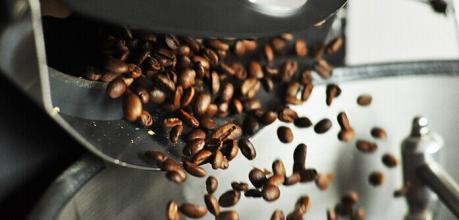
The Source of Colombian Coffee introduction to the unique flavor of Colombia
The history of coffee cultivation in Colombia can be traced back to the Spanish colonial era in the 16th century, and there are many theories about the history of coffee in Colombia: one: it is said to come from the island of Haiti in the Caribbean and from El Salvador in Central America. Second: in 1808, a priest introduced coffee beans to Colombia for the first time from the French Antilles via Venezuela. One of them
2016-07-30 Colombia Coffee Source unique Flavor introduction planting
The birthplace of coffee--Ethiopia's representative work Yega Sherphine Introduction
In 1959, the Yega sherry producing area began to try washing treatment method. After 1970, the jasmine flower fragrance and lemon citrus flavor of Yega were popular in Europe and America, becoming a model of African fine beans. The sun treatment method and sherry gradually drifted away. However, there will always be people who will miss the wonderful wine under the sun method, the feeling of no trace of wind passing through, the improved sun big counterattack in 2006, the second gold medal held in Ethiopia
2016-06-23 Coffee Origin --- Ethiopia Representative Work Yega Medium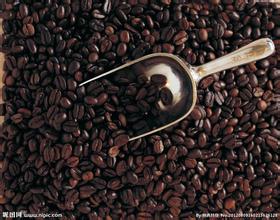
Introduction of boutique Colombian coffee beans
Colombian coffee (Cafe de Colombia), which originated in Colombia, is one of the few individual coffees sold in the world under the name of the country. In terms of quality, it has won praise unmatched by other coffee. Compared with other producing countries, Colombia is more concerned with developing products and promoting production. It is this, coupled with its superior geographical and climatic conditions, that makes Goran
2016-05-05 Boutique Columbia coffee beans introduction
The Origin of Coffee Coffee is traced back to the main producing countries.
The word coffee [1] comes from the Greek word Kaweh, meaning strength and enthusiasm. Coffee tree is an evergreen shrub of Capsaceae. Daily coffee is made from coffee beans combined with a variety of cooking utensils, and coffee beans refer to the nuts in the fruit of coffee trees, which are then roasted with appropriate roasting methods. Legends about the origin of coffee vary, but mostly because of it
2016-05-25 Coffee Origin main country of production the word comes from Greek Ka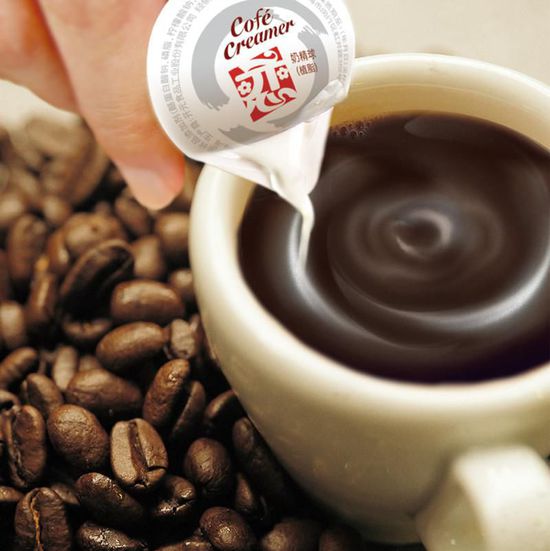
Why do you want to add milk balls to drink coffee?
As we all know, love milk ball is the best companion for coffee, many people drink coffee with a milk ball, but have not thought about whether this habit is healthy. Next, developing food will uncover the secret between milk balls and coffee. What is milk essence ball is a kind of condiment, which is mainly composed of water, vegetable oil, skim milk powder, protein and trace minerals.
2015-07-08 Coffee why add love cream as we all know love milk sperm ball coffee the best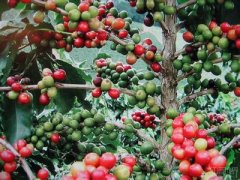
These 14 most common pictures cover the whole life of coffee.
Every good cup of coffee you drink may be halfway across the world, condensing the minds of everyone from growers to brewers. Every step of coffee planting, production, processing, roasting and brewing is very important. The process of coffee from seed to cup goes through several times of color transformation. Going back to the origin, today I follow Xiao Ka to feel the life of coffee. I don't know why.
2015-09-19 14 ordinary Daogu coffee life you drink a cup of coffee maybe across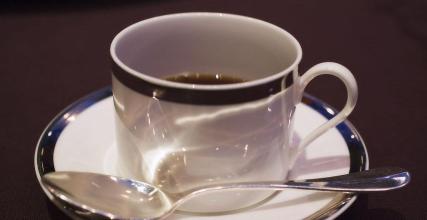
The category flavor of fresh coffee
Freshly ground coffee: usually large canned bottles with beans of different sizes, oval Arabica and round Robusta. Baking color uniformity varies greatly, not full, caffeine beans can see the traces of dry crack, not glossy! It has a faint aroma of coffee. If you grind it on the spot, it usually has a momentary aroma. Usually this kind of coffee
2016-06-01 Fresh coffee category flavor freshly ground general canned large bottle look
Romantic encounter between Coffee and Milk Coffee and partner
The earliest encounter between coffee and milk can be traced back to the 17th century AD. It is said that Turks never drink milk in their coffee because they are generally lactose intolerant. Later, a Venetian invented this method of drinking. He is also the now famous inventor of praises bread. At present, there are many dairy products on the market that can be paired with coffee, mainly including the following:
2015-03-12 Coffee romance encounter story partner coffee milk earliest can
The origin and flavor characteristics of coffee boutique coffee
The category of coffee is freshly ground coffee: usually large cans with beans of different sizes, oval Arabica and round Robusta. Baking color uniformity varies greatly, not full, caffeine beans can see the traces of dry crack, not glossy! It smells like a faint aroma of coffee. If you grind it on the spot, it usually has a momentary aroma.
2016-05-16 Coffee origin flavor characteristics boutique coffee category fresh mill general canned
Correct understanding of caffeine and rational drinking of coffee
What is caffeine: (Caffeine) is an alkaloid extracted from tea and coffee fruits. Moderate use of caffeine can dispel fatigue and excitability. Coffee, tea, soft drinks and energy drinks with caffeine are very popular. Therefore, caffeine is also the most commonly used psychotropic drug in the world. In North America, 90% of adults use coffee every day.
2016-05-06 Correct understanding of caffeine reasonable drinking coffee what caffeine Caffe
Coffee origin and flavor characteristics Colombian coffee Brazilian coffee Cuban coffee category
The category of coffee is freshly ground coffee: usually large cans with beans of different sizes, oval Arabica and round Robusta. Baking color uniformity varies greatly, not full, caffeine beans can see the traces of dry crack, not glossy! It smells like a faint aroma of coffee. If you grind it on the spot, it usually has a momentary aroma.
2016-04-22 Coffee origin flavor characteristics Colombia Brazil Cuba category coffee
O.C.F.C.U Ethiopia Oromia Coffee Farmers Cooperative Union
The Oromia area is one of the sources of coffee in the world. Oromo, the indigenous people here, was the first person in the world to use coffee as a food, dating back to the 5th century AD. Oromia is located at about 3-15 degrees north latitude and 33-40 degrees longitude. Because of the primordial nature and diversity of plant species in this area
2014-08-26 Ethiopia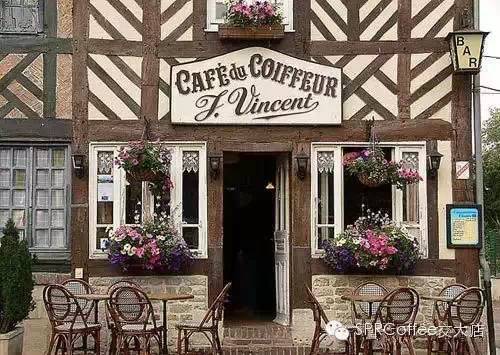
Show you the places you must visit in Europe's famous cafes.
If the origin of coffee can be traced back to ancient African and Arab cultures, then the cafe people remember today is a pure European culture, or more accurately, it is even a cradle and historical witness of modern European civilization. The whole of Europe is the advocate of coffee culture. Today, coffee culture has become a mature cultural form in Europe, from coffee to Europe.
2015-12-10 Take you see those Europe famous cafes travel go places if
The active ingredient of coffee-- the secret that must be known.
Caffeine has a particularly bitter taste and stimulates the central nervous system, heart and respiratory system.
2014-08-29 Coffee knowledge coffee ingredients coffee active ingredients
Detailed analysis of carbohydrates in coffee beans
★ moisture: the water content of coffee beans varies greatly with different processing stages and products. The moisture content of wet coffee beans with film is about 50%, while that of dried raw coffee beans is about 10%-13%, and that of roasted coffee beans is only less than 5%. The existence of water in coffee beans is the same as other kinds of food and beverages, because it contains a considerable amount of hydration colloid macromolecules.
2015-08-25 Coffee beans ingredients details analysis carbohydrates moisture coffee beans content no
Detailed Analysis of the components of Fine Coffee
★ moisture: the water content of coffee beans varies greatly with different processing stages and products. The moisture content of wet coffee beans with film is about 50%, while that of dried raw coffee beans is about 10%-13%, and that of roasted coffee beans is only less than 5%. The existence of water in coffee beans is the same as other kinds of food and beverages, because it contains a considerable amount of hydration colloid macromolecules.
2014-12-24 Boutique coffee common sense coffee beans ingredients details analysis moisture containing